What Is a Color Sorter Machine? A Complete Guide for Buyers
If you process grains, seeds, nuts, coffee, tea, or recyclable materials at scale, product quality is everything. One defective batch reaching your customer can damage trust, trigger returns, and cost you far more than the equipment to prevent it.
That is where a color sorter machine comes in.
In this guide, we explain exactly what a color sorter is, how it works, the different types available, and what to look for when choosing one for your operation — whether you are setting up a new facility or upgrading aging equipment.
What is a color sorter machine?
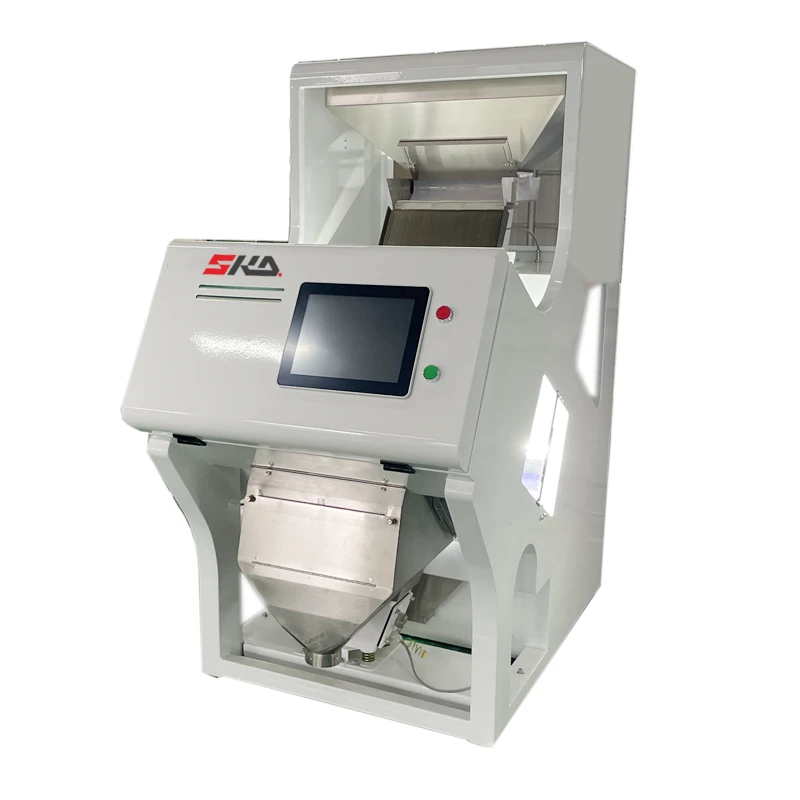
A color sorter machine — also called an optical sorter or color sorting machine — is an automated system that inspects products moving along a high-speed conveyor or chute and removes any item that does not meet a preset color, size, or shape standard.
In practical terms: you feed raw material in at one end. The machine scans every single piece at high speed using cameras and light sensors. Anything that looks wrong — a discolored grain, a foreign seed, a piece of plastic, a stone — is instantly ejected by a precisely timed air jet. Clean product exits through one outlet; rejected material exits through another.
The entire process happens in milliseconds, thousands of times per second, with a level of consistency no human sorter can match.
How does a color sorter machine work?
Understanding the basic mechanism helps you evaluate different models and make a smarter purchase decision. Most color sorters follow the same core process:
1. Feeding
Raw material enters the machine through a vibrating feeder, which spreads product into an even, single-layer flow before it reaches the inspection zone. Consistent spacing between pieces is critical — it gives the system time to identify and reject individual defects without disturbing neighboring pieces.
2. Illumination
As product passes through the inspection chute, it is illuminated by high-intensity LED or halogen lights. The quality and color temperature of the lighting directly affects detection accuracy, especially for subtle color defects.
3. Detection
One or more cameras — or photodiode sensors in older models — capture the reflected light from each piece and compare it against a programmed "accept" profile. Modern machines can capture images from multiple angles simultaneously, reducing blind spots that older single-camera designs miss.
4. Signal processing
Onboard processors analyze the image data in real time. If a piece falls outside the acceptable parameters (color range, shape, size), the system generates an eject signal.
5. Ejection
A bank of high-speed air nozzles, positioned just below the detection point, fires a targeted blast of compressed air to divert the rejected piece into the waste chute. The timing must be precise to the millisecond — too early or too late and the wrong piece is ejected.
The best machines complete this entire cycle — detect, decide, eject — in under 3 milliseconds.
Types of color sorter machines
Not all color sorters are built the same way. The right type depends on your material, your throughput requirements, and the type of defects you need to remove.
CCD color sorters
CCD (Charge-Coupled Device) sensors have been the industry standard for decades. They are reliable, cost-effective, and perform well for most common applications: rice, wheat, corn, beans, seeds, and nuts.
CCD machines excel at detecting visible color differences — yellowed grains, discolored seeds, foreign materials with a different hue. They are the most widely available type and generally the most affordable.
Best for: Rice mills, grain processors, seed sorting, dried vegetables.
NIR (Near-Infrared) sorters
NIR sensors detect differences in material composition that the naked eye cannot see. Two pieces may look identical in visible light but have completely different moisture content, density, or chemical makeup — and an NIR sorter will catch that difference.
NIR technology is increasingly used in premium food processing, pharmaceutical sorting, and plastics recycling, where composition matters as much as appearance.
Best for: Plastics recycling, high-grade coffee and grain sorting, pharmaceutical ingredients, mixed material separation.
Chute-type vs. belt-type sorters
Most grain and seed sorters use a chute design, where product slides down an angled channel under gravity. Chute sorters handle high throughput efficiently and are easy to clean.
Belt-type sorters move product horizontally on a conveyor belt, which allows inspection from above and below simultaneously. This design is preferred for fragile products (like cooked foods or fresh produce) and for applications that require extremely precise shape-based sorting.
Multi-lane sorters
High-capacity operations use multi-lane machines that sort multiple channels of product simultaneously, dramatically increasing throughput without requiring multiple separate units. Industrial rice mills, for example, may run 8- to 16-lane sorters processing several tons per hour.
Industries that use color sorters
Color sorting technology is used across a wider range of industries than most buyers realize:
Rice and grain milling — The largest single application globally. Color sorters remove discolored, broken, or chalky grains to produce a consistent, export-grade product.
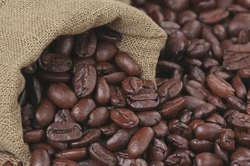
Coffee processing — Removes black beans, sour beans, insect-damaged beans, and foreign materials that affect cup quality. Specialty coffee exporters increasingly use color sorters as the final quality gate before export.
Nuts and dried fruits — Removes shell fragments, foreign matter, and discolored or rancid pieces that would otherwise create quality complaints.
Tea processing — Separates tea leaves by color grade and removes stems, fiber, and other non-leaf material.
Plastic recycling — Separates plastic flakes by polymer type and color, a critical step in producing recycled material that meets manufacturer specifications.
Seeds and pulses — Removes weed seeds, off-color seeds, and disease-affected pieces from agricultural seed stocks.
Spices — Removes discolored or contaminated pieces that affect both quality and food safety.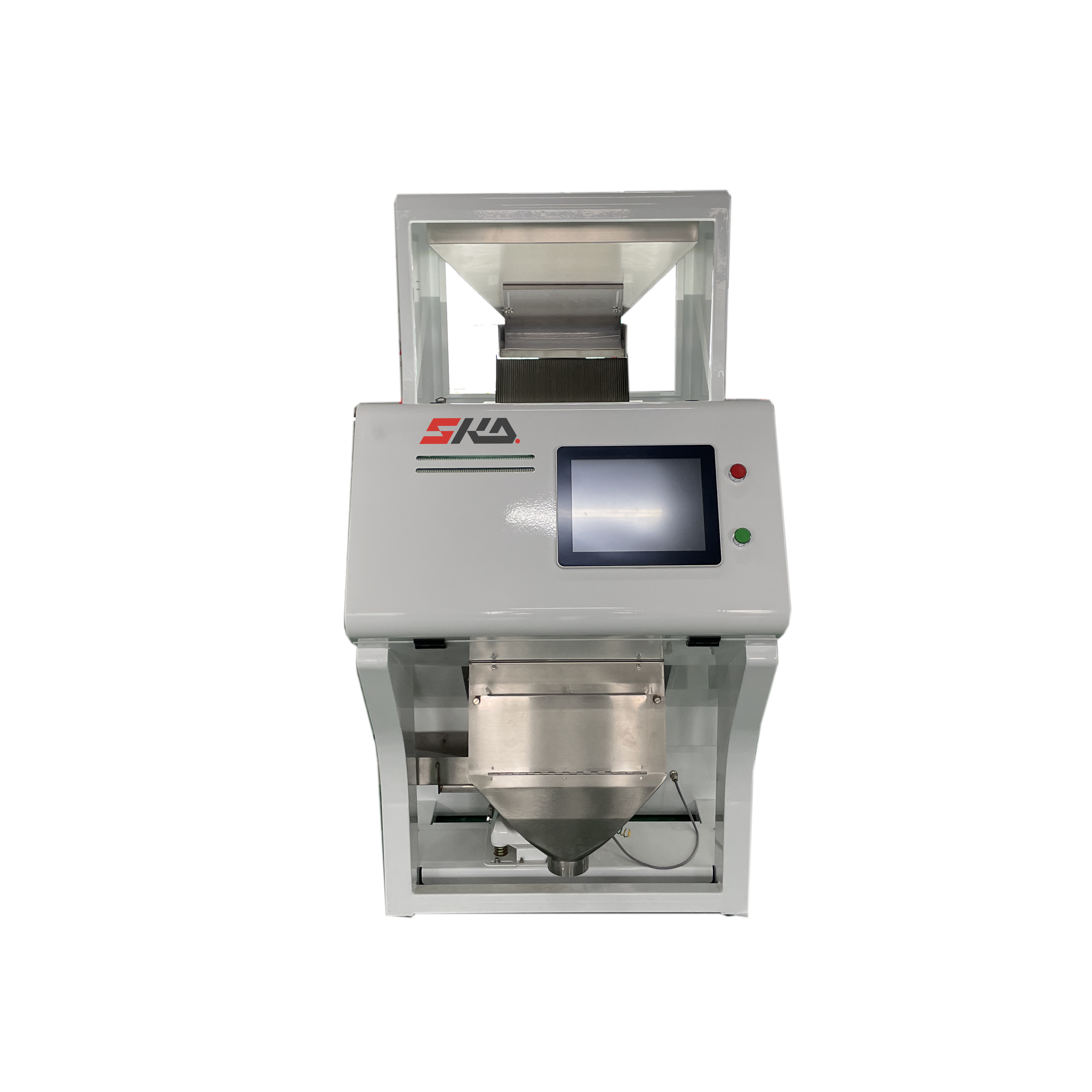
Key specifications to understand before buying
When evaluating color sorter machines, these are the specifications that actually matter:
Throughput capacity (tons/hour)
Stated in tons per hour, this is the single most important spec for matching a machine to your production line. Be careful: manufacturers often quote maximum theoretical throughput. Ask for realistic throughput figures at your target rejection rate.
Number of lanes / chutes
More lanes mean higher throughput but also higher cost and more maintenance. Match lane count to your actual volume, not your peak capacity dreams.
Camera resolution and frame rate
Higher resolution and frame rate means more defects caught. Look for machines using full-color CCD or CMOS sensors with frame rates above 5,000 scans per second for demanding applications.
Ejection accuracy
Measured as the ratio of defects correctly ejected to total ejections. High accuracy means less good product wasted ("carry-out"). For expensive products like specialty coffee or high-grade nuts, ejection accuracy matters as much as detection rate.
Compressed air consumption
Air nozzles run continuously in high-throughput operation. Compressed air costs money. Compare specifications and ask your supplier for real-world consumption data.
Software and user interface
Modern machines should have intuitive touchscreen controls, the ability to save multiple product profiles, and remote diagnostics capability. Ask to see the interface running on your own material rather than a demo clip — the difference between a machine your operators actually use and one they fight with usually shows up right here.
What to ask before purchasing a color sorter
Before you commit to a supplier, ask these questions:
What is the realistic throughput at my target rejection rate — not the theoretical maximum?
Has this machine been tested on the specific material I am sorting?
What is included in the warranty, and who handles service in my country?
Can I see performance data or customer references for this model?
What compressed air pressure and volume does this machine require?
Is operator training included, and is there English-language documentation?
A reputable supplier will have direct answers to all of these questions. If you receive vague responses or are pressured to decide quickly, treat that as a warning sign.
Summary: Is a color sorter right for your operation?
A color sorter machine is a sound investment for almost any food processing, agricultural, or recycling operation where product consistency, quality control, or contamination removal is a priority.
The economics are straightforward: one machine running at 2 tons per hour replaces multiple manual sorting lines, produces more consistent output, and pays for itself through reduced labor costs and higher-grade product premiums.
The key is matching the right machine — type, capacity, and configuration — to your specific material and operation. That is where working with a knowledgeable supplier makes the difference.
Ready to find the right color sorter for your operation?
SKA Machinery designs and builds coffee color sorters at our own factory in Anhui, China, with sales, export and after-sales support handled from Ningbo. Our range covers 30 kg/h to 2.5 t/h, is manufactured under ISO 9001 and carries CE certification.
Not sure whether a sorter earns its place on your line? Send us a sample of your material. We run a test sort, share the results, and tell you plainly if it is not worth the investment.
View our coffee color sorter models →
Contact us for a quote →
We respond to all inquiries within 24 hours.