How Does a Coffee Color Sorter Work? A Step-by-Step Guide to Optical & AI Sorting
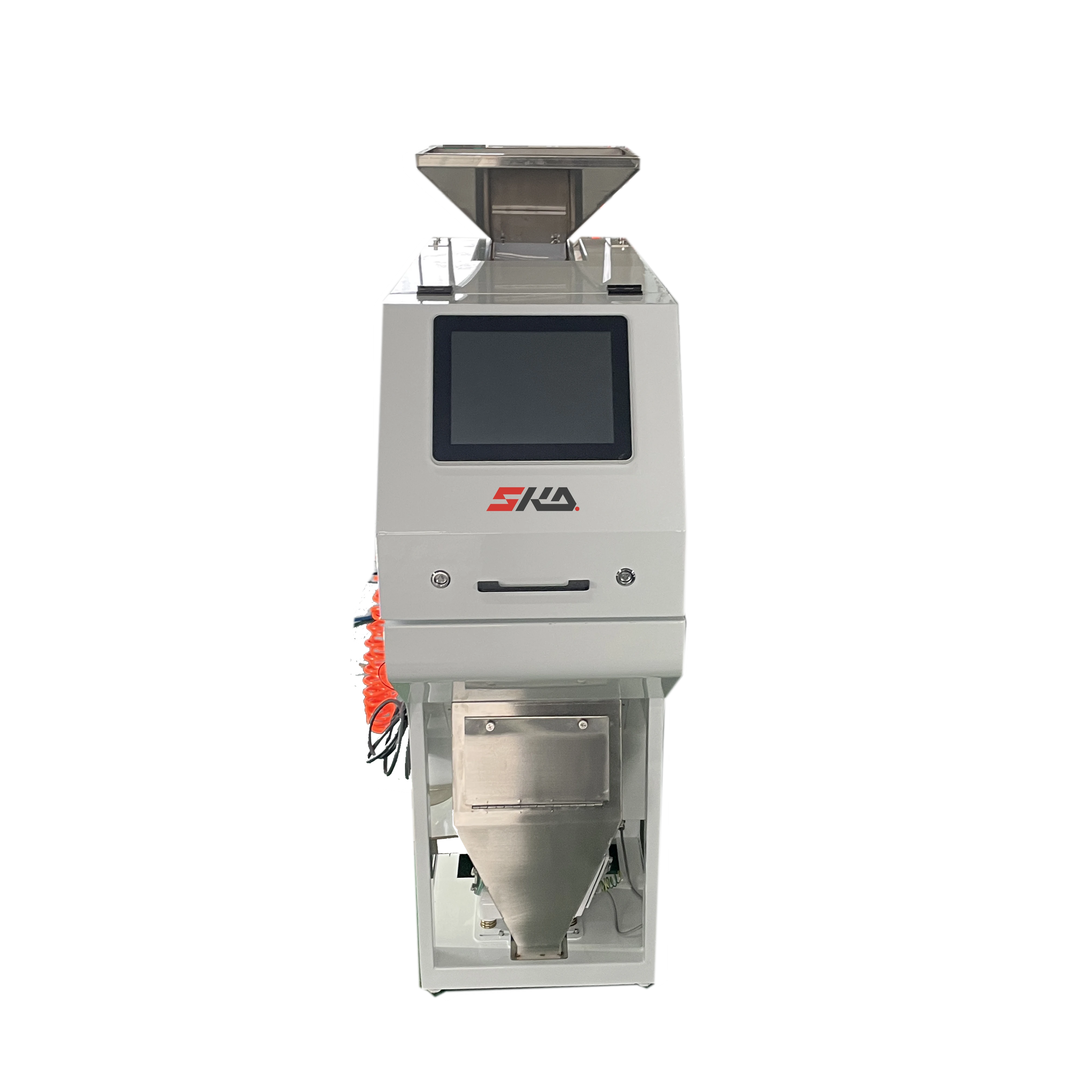
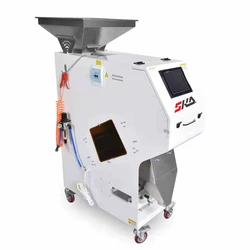
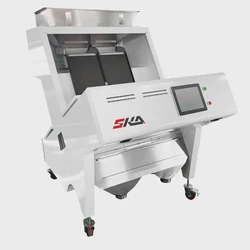
A coffee color sorter is a machine that uses high-speed cameras, optical sensors, and AI algorithms to scan individual coffee beans and eject defective ones with compressed air, all within milliseconds per bean.
If you process or export coffee, you already know the pain: a single batch with a few sour, insect-damaged, or moldy beans can downgrade an entire lot. Manual hand-picking tops out around 10–20 kg per hour per worker and drifts with fatigue. A color sorter changes that equation, running 500–5,000 kg/h while holding accuracy above 99.5% — and on modern machines, 99.9% and beyond.
Here's exactly how that happens, stage by stage.
The 5-Step Sorting Process
Every coffee color sorter, from a 30 kg/h mini unit to a multi-ton industrial line, follows the same five stages. The difference is scale, not principle.
Material Feeding — Beans drop onto a vibratory feeder that spreads them into a single, even layer, so each bean is scanned independently.
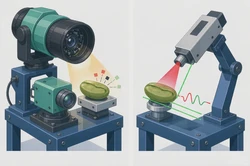
Optical Scanning — High-resolution CCD cameras capture each bean from multiple angles while LED or near-infrared (NIR) lighting provides uniform illumination.
Image Processing / AI Analysis — An algorithm compares each captured image against a learned model, flagging defects by color, shape, texture, and density.
High-Speed Ejection — A solenoid valve fires compressed air in under 2 milliseconds to knock the defective bean out of the good stream.
Product Separation — Accept and reject beans flow into separate collection outlets.
The full loop — perceive, decide, act — finishes in under 5 milliseconds per bean. That's the core reason optical sorting beats human inspection: it never tires and it never waivers.
What the Machine Actually Detects
The value of a color sorter isn't just "it sees color." It's the specific defect types it can remove that ruin cup quality:
Quakers — underripe beans that never developed proper sugars
Sour / fermented beans — discolored from poor drying or storage
Insect-damaged beans — often visible only as pinholes
Mold / fungus-affected beans
Broken or chipped beans
Foreign materials — stones, glass, plastic, even tiny metal fragments
Multispectral machines add near-infrared (NIR) to visible light, so they can catch density and texture differences that a plain RGB camera misses. For a green-bean exporter, that's the difference between meeting a specialty buyer's defect spec and getting a lot rejected.
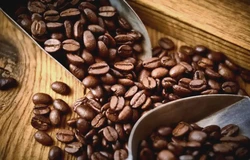
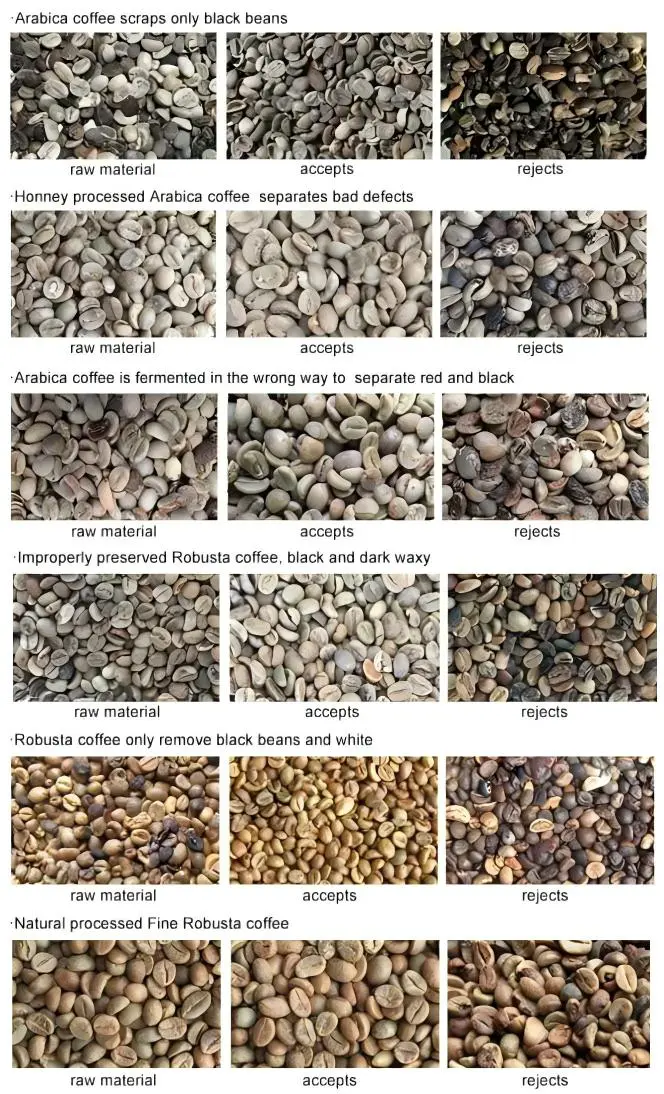
Sorting results on SKA equipment: raw material (left), accepted beans (center), rejected defects (right).
Green Bean vs. Roasted Bean Sorting
One machine handles both, but the targets differ:
Green Coffee (pre-export) | Roasted Coffee (pre-packaging) | |
Primary goal | Remove defects + foreign matter | Enforce roast uniformity |
Key detection | Color, density, NIR | Roast level, color consistency |
Common defects | Quakers, insect, mold, stones | Scorched, under-roasted, broken |
Typical buyer | Exporters, dry mills | Roasters, packers |
A processor running both stages gets consistency at two critical points: clean raw material in, uniform finished product out.
Manual Sorting vs. Color Sorter
Metric | Manual Sorting | Color Sorter |
Throughput | 10–20 kg/h per person | 500–5,000 kg/h |
Accuracy | 85–95% (drifts with fatigue) | 99.5–99.9%+ |
Consistency | Varies by worker | Uniform, 24/7 |
Labor cost | High, ongoing | One-time + maintenance |
In our own customer installations, the ROI window typically lands between 6 and 18 months. The payback comes from three places at once: fewer labor hours, a higher sale price for sorted coffee, and far fewer rejection or quality complaints.
Key Specifications to Check Before Buying
When you evaluate a coffee color sorter, don't just look at the price tag. Check these:
Sorting accuracy — confirm the real-world number for your bean type, not a brochure claim
Throughput (kg/h) — match it to your peak-season volume, not your average
Channel count — more channels = finer resolution at speed (e.g., 128 vs. 320)
Camera / sensor type — RGB only, or RGB + NIR for density detection
Ejection valve response — under 2 ms is the benchmark for high-speed lines
Remote service — cloud or wireless control saves you a technician visit
A good supplier will run a free sample test with your actual beans before you commit, so you get a real accuracy and yield number instead of a guess.
Conclusion
A coffee color sorter works by combining high-speed optics with AI-driven decisions and millisecond air ejection — turning defect removal from a slow, error-prone manual job into an automated, repeatable process. For processors and exporters chasing export-grade consistency, it's no longer optional equipment; it's the difference between a rejected lot and a premium one.
Want to see the numbers for your own beans? Contact us for a free sample test — we'll run your coffee and send back the exact accuracy and yield figures.