Manual vs Machine Coffee Sorting: Which Is Better?
Manual vs Machine Coffee Sorting: Which Is Better?
For coffee processing plants and exporters, sorting is the final and most important step to secure premium market pricing. The choice between manual vs machine coffee sorting directly impacts your daily production capacity, labor overhead, and overall export-grade quality.
Here is a practical comparison to help you choose the best method for your factory.
Manual Coffee Sorting: Traditional Hand-Picking
Manual sorting relies entirely on human workers visually inspecting the coffee beans on flat tables, belts, or sorting mats.
Pros:
Low Initial Investment: There is no expensive machinery to purchase upfront, making it highly accessible for startups and micro-lot specialty coffees.
Gentle Handling: Hand-sorting is very gentle on the beans, ensuring zero risk of physical damage during the sorting process.
Cons:
High Operating Costs: Relying on large sorting teams leads to high and unpredictable labor costs, especially during peak harvest seasons.
Inconsistent Results: Human sorting accuracy naturally drops as workers experience fatigue during long shifts, leading to missed defects.
Slow Throughput: Hand-sorting is extremely slow and cannot handle the high-volume capacity required for commercial export containers.
Machine Coffee Sorting: Optical Color Sorters
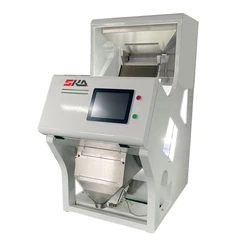
Machine sorting utilizes high-speed optical sensors, full-color CCD cameras, and compressed air ejectors to scan and sort coffee beans in mid-air.
Pros:
Unmatched Sorting Accuracy: Modern coffee color sorters can instantly detect and eject subtle defects like sour beans, black beans, moldy beans, and foreign materials (stones, sticks) that human eyes often miss.
Continuous 24/7 Operation: Machines operate with the exact same high precision around the clock, unaffected by labor shortages or fatigue.
High-Volume Efficiency: A single multi-chute sorting machine can process several tons of coffee per hour, replacing dozens of manual workers and eliminating production bottlenecks.
Cons:
Higher Initial Cost: The upfront purchase of an optical sorting system is higher than hiring seasonal labor.
Power and Space Requirements: It requires a stable power supply, compressed air systems, and a dedicated space in your dry mill.
The Verdict: Which Method is Best for Your Business?
Choose Manual Sorting If: You are processing very small, highly specialized micro-lots, or if you run a small-scale farm with low daily throughput.
Choose Machine Sorting If: You are a commercial coffee processing plant, dry mill, or exporter. The investment in an optical sorter pays for itself within a few years by dramatically reducing labor overhead, speeding up production, and consistently delivering clean, export-grade coffee.
Optimize Your Sorting Process Today
Are you ready to transition from manual sorting to automated efficiency? Contact our engineering team today to discuss your daily processing capacity and get a customized quote for your factory.