Coffee Processing Line Explained for Export Factories
Coffee Processing Line Explained for Export Factories
For coffee processors and exporters, setting up an efficient post-harvest coffee processing line is the key to protecting bean quality and maximizing profit margins. Whether you are building a new facility or upgrading an existing dry mill, understanding how each stage affects your final product is essential.
Here is a complete breakdown of a commercial-scale coffee processing line and the critical role of automated sorting.
The Key Stages of a Coffee Processing Line
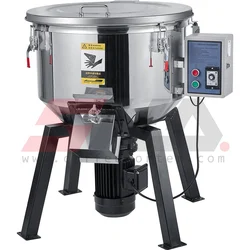
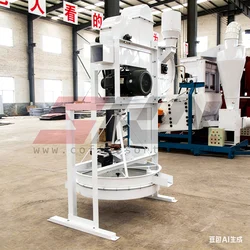
Cleaning and Pre-Separation Before any major processing begins, harvested coffee cherries or dry parchment must be cleaned. Scalpers, destoners, and air separators are used to remove heavy debris, twigs, leaves, and stones. Protecting downstream machinery from damage is just as important as cleaning the coffee.
Hulling (Dry Milling) For dry-processed natural coffees or dried parchment coffee, the hulling machine removes the protective outer parchment layer (husks). This stage yields clean green coffee beans, ready for final refining.
Grading by Size and Density Once hulled, the green coffee passes through grading screens (sifters) to separate the beans by physical size. After sizing, gravity tables separate light, low-density, and hollow beans from dense, high-quality beans.
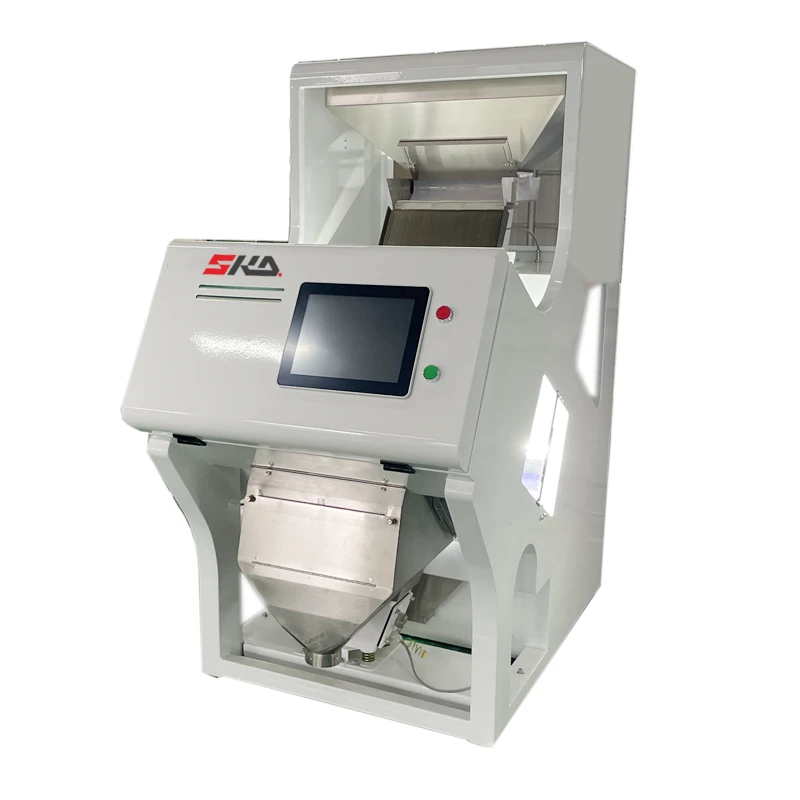
Optical Sorting (Color Sorting) This is the most critical stage of the entire coffee processing line. Physical size grading cannot detect internal defects, sour taints, or discoloration. High-precision optical sorting machines inspect each bean in mid-air, instantly ejecting black, sour, moldy, and insect-damaged beans, as well as subtle foreign materials.
Packaging and Weighing The final, clean, export-grade coffee is weighed and bagged into standard jute bags or grain-pro bags, ready for shipping container loading.
Why Sorting is the Most Critical Step for Exporters
While every stage of the coffee processing line is important, your final sorting stage directly determines your market pricing and export compliance.
Meeting Strict Defect Limits: International buyers and specialty coffee associations have zero tolerance for defects like black or sour beans. A modern color sorter ensures your batch meets these strict export standards consistently.
Protecting Your Brand Reputation: Delivering consistent, defect-free green coffee builds long-term trust with global buyers, allowing you to secure premium contracts year after year.
Reducing Manual Labor Overhead: Relying on manual hand-picking for large export volumes is too slow, expensive, and inconsistent. Automated optical sorting delivers reliable, high-speed throughput 24/7.
Optimize Your Coffee Processing Line
Are you looking to eliminate bottlenecks in your dry mill or upgrade your sorting efficiency? Contact our engineering team today to get a customized processing line solution designed for your factory's daily capacity.