Optical Sorter vs Traditional Coffee Sorting Methods: Which is Best?
Optical Sorter vs Traditional Coffee Sorting Methods
For coffee processing plants and exporters, sorting is the most critical step in determining the final grade of green coffee beans. While traditional coffee sorting methods have been used for generations, they struggle to keep up with modern market demands.
Let us look at how traditional hand-sorting and mechanical screening compare to automated optical sorters.
Traditional Coffee Sorting Methods
Traditional sorting relies heavily on two methods: manual hand-picking and mechanical screen grading.
Manual Hand-Picking Workers manually sort through coffee beans on tables or conveyor belts, picking out visible defects like black, sour, or moldy beans.
Limitations: It is extremely labor-intensive, slow, and prone to human error. Defect detection drops significantly as worker fatigue sets in during long shifts.
Mechanical Screen Grading Using vibrating screens with different-sized holes to sort coffee beans by physical size.
Limitations: Size does not equal quality. A large bean can still be sour, black, insect-damaged, or chemically defective on the inside. Size grading completely misses color-based defects.
The Modern Solution: Optical Sorting
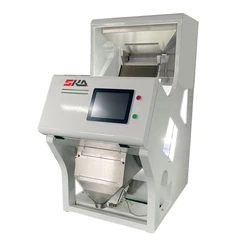
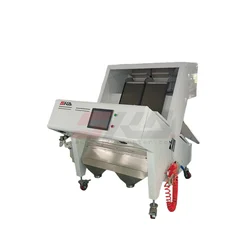
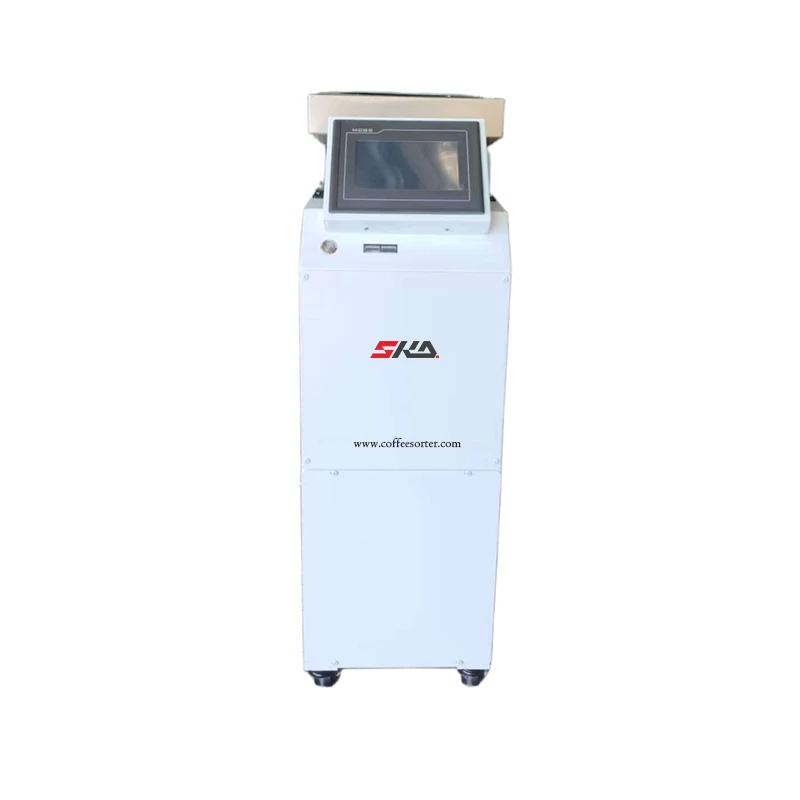
An optical sorter (or coffee color sorter) uses high-speed cameras and AI-driven sensors to inspect every single green bean in mid-air, ejecting defective beans and foreign materials in milliseconds.
High Precision: Modern color sorters can identify subtle color variations, immature beans, insect damage, and even foreign materials like stones and glass.
High-Speed Processing: A single multi-chute optical sorting machine can process several tons of coffee per hour, doing the work of dozens of manual workers.
Grade Consistency: The machine operates with the exact same precision from the start of the shift to the end, ensuring your output meets strict export-grade coffee standards every time.
Which Method is Best for Your Factory?
While traditional manual picking still has a place for micro-lots or specialized specialty coffees, it is no longer viable for commercial-scale export. If you want to increase your throughput, reduce labor overhead, and secure premium export contracts, integrating an optical sorting machine into your dry mill is the most cost-effective path forward.
Find the Right Coffee Sorting Setup
Every coffee processing plant has different capacity requirements. Contact our technical team today to discuss your production volume and find the best optical sorter configuration for your factory.