
Common Coffee Bean Defects and How to Remove Them
Common Coffee Bean Defects and How to Remove Them
For coffee processors, green coffee bean defects are the biggest threat to your profitability. Even a small percentage of bad beans in a shipment can ruin the cup profile, lower your export grade, and lead to heavy price discounts from global buyers.
To protect your reputation and secure premium prices, you must understand the common defects in your batch and how to efficiently eliminate them.
Most Common Coffee Bean Defects
Black Beans Black beans are usually caused by over-fermentation, picking immature cherries, or picking coffee from the ground.
The Impact: They introduce an unpleasant, dirty, and medicinal taste to the final brew.
Sour Beans Sour beans often occur when cherries are over-ripe, or when fermentation goes on for too long in the wet mill.
The Impact: Just a few sour beans can ruin an entire batch, giving the coffee a distinct, vinegary taste.
Moldy Beans These develop when coffee is stored with too much moisture or dried unevenly on patios.
The Impact: Moldy beans introduce musty taints and pose health risks due to mycotoxins, making the coffee completely unfit for export.
Broken or Insect-Damaged Beans Physical damage from hulling machines or insects (like the coffee berry borer) leaves the bean vulnerable to oxidation and mold.
The Impact: These beans roast unevenly, leading to a bitter, flat, and inconsistent cup quality.
How Defects Affect Your Business
If you fail to clean your batch properly, the consequences go beyond a bad cup of coffee:
Reduced Export Grade: International buyers have strict tolerance levels for defects. If your count is too high, your coffee will be downgraded to lower commercial classes.
Lower Market Prices: Exporters who cannot guarantee clean green coffee must accept heavily discounted prices per bag.
The Best Way to Remove Defects
While hand-sorting is a traditional option, it is too slow, expensive, and unreliable for commercial processing volumes. Human sorters naturally miss subtle defects as fatigue sets in.
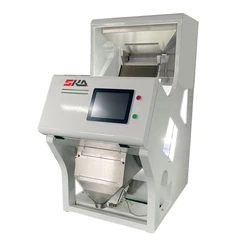
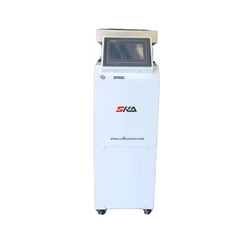
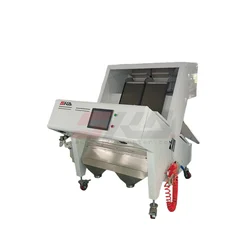
The most effective solution is integrating high-precision optical sorting machines into your dry mill. Here is why automated sorting is necessary:
Real-Time Sorting: Modern color sorters inspect thousands of beans per second in mid-air, instantly detecting and ejecting black, sour, moldy, and broken beans.
Consistent Accuracy: Unlike manual labor, an optical sorter delivers the exact same high sorting accuracy from the beginning of the shift to the end.
Maximized Export Value: By automatically sorting out color-based defects and foreign materials, you can consistently deliver clean, export-grade coffee that commands top prices.
Upgrade Your Sorting Process
Do you want to see how an optical sorter handles black, sour, or moldy beans? Contact our technical team today to arrange a testing video with your own coffee samples and find the perfect sorting setup for your factory.