Coffee Color Sorter Warranty & After-Sales: What to Ask
Most buyers compare color sorters on the same three things: sensors, throughput, and price. Those matter. The question that decides whether a machine earns its keep usually arrives a year later, when something stops working in the middle of a harvest and nobody knows who is going to fix it.
This article covers what a coffee color sorter warranty normally includes, what it normally leaves out, and which service terms belong in writing before you pay. It also sets out what SKA actually provides, so you can hold our quote against anyone else's.
Related reading if you are still at the evaluation stage: how to verify sorter performance on your own beans and the buying guide.
The cost of one day down
Work it out before you shop, because it reframes the whole conversation. A mill running 2 tons an hour that loses a day of sorting has 16 tons of unsorted coffee piling up, a delivery date slipping, and a crew standing around. The value of that lost day usually exceeds the price difference between two quotes.
That is why service terms deserve as much scrutiny as the spec sheet, and why the cheapest quote is sometimes the most expensive one.
What a warranty covers, and what it does not
"One year warranty" sounds complete. In practice, four things tend to sit outside it.
Wear parts. Nozzles, lamps, belts, seals and air valves wear out through normal use, and most manufacturers classify them as consumables rather than warranty items. Ask for the list in writing before you sign. The list is more useful than the headline number.
Damage from operating conditions. Wrong voltage, wet or oily compressed air, and dust in the cabinet cause failures that no warranty covers anywhere in this industry. Clean, dry air at the specified pressure and a stable supply prevent most of them.
The start date. Twelve months from dispatch and twelve months from commissioning are not the same thing. With sea freight and customs clearance in between, the difference can be two months of coverage you assumed you had, gone before the machine ever sorted a bean. Agree the start date in the contract.
Who pays to ship the part. A free replacement part that costs you three weeks and a courier bill is not really free. Ask whether warranty parts ship at the supplier's cost.
Installation and training
Suppliers handle this in one of two ways. Some send an engineer and bill you for travel and days on site. Others commission over a video call and train your operators remotely.
Remote commissioning works well on a standard installation, provided you have a technician who can follow instructions, and it costs nothing extra. If you want someone physically in your plant, say so before the order, because it changes both the price and the lead time.
Whichever you choose, confirm three things: how many training sessions are included, whether you get written operating and maintenance documentation in a language your operators actually read, and whether refresher sessions later are free or chargeable.
Spare parts
Ask what ships with the machine. A starter kit covering the parts that genuinely wear will carry you through the first season while you learn your own consumption rate.
Then ask about the second order, which is where the real cost hides. Which parts are held in stock? What is the lead time to your country? Is there a price list you can budget against? A machine that waits six weeks for a cheap seal is an expensive machine, whatever it cost to buy.
When something breaks
Agree on the channel and the clock. One named contact, one messaging channel, and a stated response time will always beat a generic support inbox.
If you are buying across time zones, check two details that people miss. Does the response time cover weekends and public holidays? Is support available in a language your team can write in comfortably? A 24 hour response that only starts on Monday morning is not a 24 hour response.
Ask whether faults can be diagnosed remotely. Most problems turn out to be settings, calibration, or air supply, and a technician who can see your screen or your machine logs will often resolve them the same day without anyone travelling.
After the warranty ends
Year two is where suppliers separate. Ask what exists beyond the warranty: a paid service contract, an extended warranty option, annual maintenance visits, continuing software support.
If none of it is published, get the terms from a person, in writing, before the machine ships. Assurances given at the point of sale do not survive staff changes.
What SKA includes
Our actual terms, with nothing rounded up:
12 month warranty on the complete machine. We confirm the start date with you in writing when you order, so there is no gap between arrival and coverage.
Remote commissioning and operator training. We walk your technician through installation, calibration and daily operation over a video call. If you want an engineer on site, tell your account manager before the order and we will quote it separately rather than surprise you later.
Spare parts ship with the machine. You get the wear parts you need for the first season, plus a price list for anything after that.
Support over WhatsApp, with a response inside 24 hours. One channel, one named contact, no ticket queue. Where a fault can be diagnosed remotely, we diagnose it remotely.
After the warranty period, maintenance and service terms are arranged through your account manager. They will quote according to your machine and how you run it.
Two things we will not do. We will not promise parts coverage we have not defined in your contract, and we will not quote a response time we cannot hold. If a term is not written down, it does not exist.
Checklist: eight lines to put in writing before you pay
Warranty period, and the exact date it starts.
The list of parts classed as consumables.
Whether warranty parts ship at the supplier's cost.
Installation method: remote or on site, and who pays travel.
Number of training sessions, and the language of the documentation.
What is in the spare parts kit, and the lead time on the next order.
Support channel, response time, and weekend coverage.
What happens in year two.
That is an hour of email. It is far cheaper than a line standing still in the middle of harvest.
Talk to us about your line
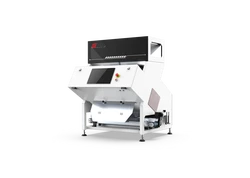
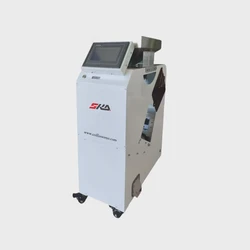
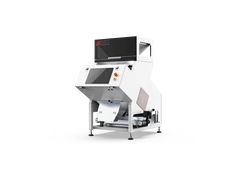
If you are comparing two quotes and want to know which service clauses to push back on, or you want our terms applied to your own machine, send us your line details. We answer within 24 hours. The machines themselves are listed in the coffee color sorter range, and if you are still sizing the machine, the capacity guide is the place to start.